When you're shopping for a home in Mount Laurel, the house itself is only part of the decision.
Two homes can have similar square footage, the same number of bedrooms and even similar asking prices, yet feel completely different once you pull into the neighborhood.
That's because Mount Laurel has developed over several very different eras.
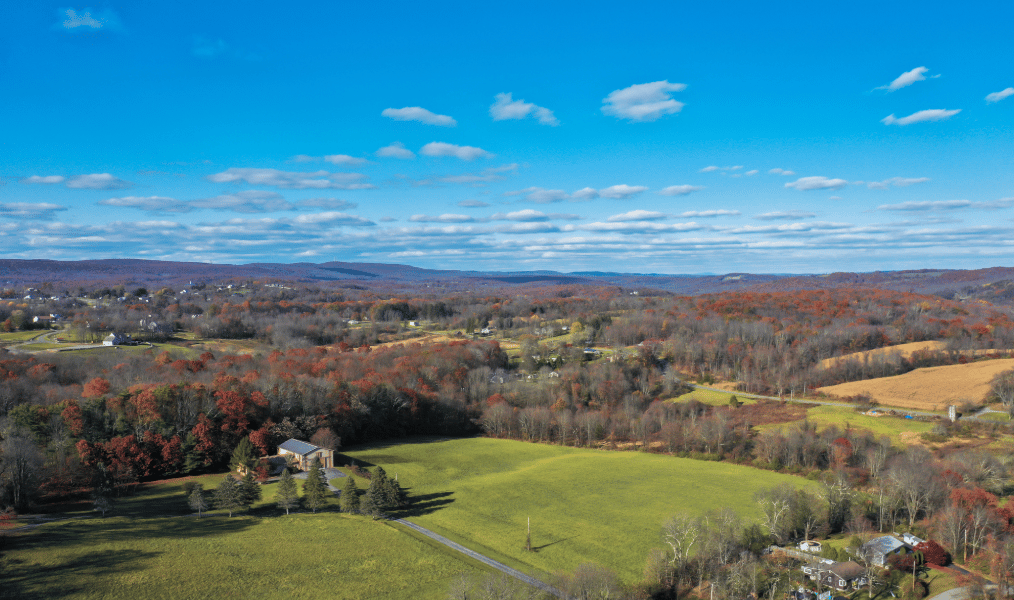
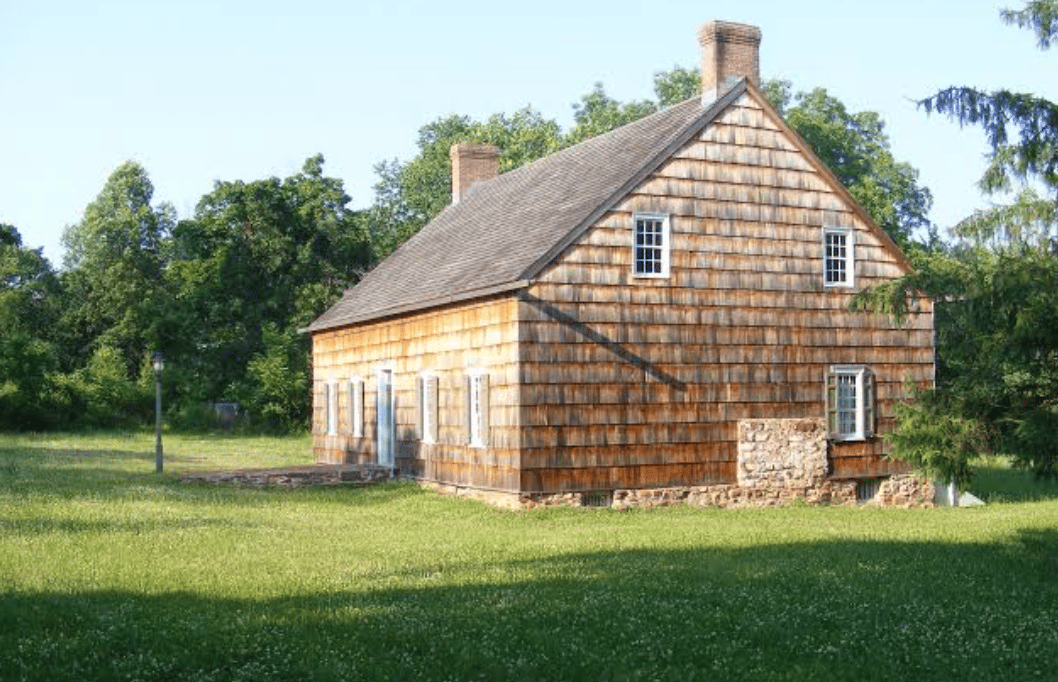
For much of its history, Mount Laurel was a rural farming community made up of farms, villages and small settlements. That began to change in the 1960s, when Ramblewood became the first of many large residential developments to transform the township.
Today, that history is visible in the housing stock.
Some Mount Laurel neighborhoods have decades-old trees, established streets and homes built when open land was plentiful. Others were developed much more recently, with newer construction, modern floor plans and amenities designed around today's buyers.
Neither is automatically better.
They're simply different.
And understanding those differences can help you figure out what you're actually looking for before you fall in love with a listing.
Older Mount Laurel Neighborhoods: Established, Mature and Full of Character
One of the biggest advantages of an older neighborhood is something you can't manufacture overnight:
maturity.
Established Mount Laurel communities often have large trees, mature landscaping and streets that have had decades to develop their own identity.
The lots can also feel different.
Homes built during earlier periods of suburban development were often designed around different assumptions about how much land families needed and how they would use their homes.
You may find larger yards, traditional layouts, attached garages and, depending on the neighborhood and construction era, basements that provide additional storage or living space.
There's also something to be said for knowing what the neighborhood looks like after several decades.
The landscaping is established. The surrounding homes are already built. You aren't wondering what the vacant parcel behind your house might eventually become.
But an older home can come with a longer maintenance history.
The roof may be older. The HVAC system may be nearing the end of its expected life. Windows, plumbing, electrical systems and other major components may have been replaced over the years—or may still be original.
That's not necessarily a reason to walk away.
It's a reason to know what you're buying.
Newer Mount Laurel Neighborhoods: Modern Layouts and Fewer Years Behind Them
Newer neighborhoods offer a completely different set of advantages.
Today's buyers often prioritize open-concept living spaces, larger kitchens, walk-in closets, dedicated home offices, modern bathrooms and flexible spaces that older floor plans weren't necessarily designed to provide.
Newer construction can also mean newer major systems.
Depending on the age of the home, buyers may have newer roofing, HVAC, windows, appliances and other components, potentially reducing the number of immediate projects on the to-do list.
But newer doesn't automatically mean maintenance-free.
Every home requires maintenance, and newer communities can come with considerations that buyers should understand before making an offer.
Homeowners' associations, community amenities, rules and fees can vary. Lots may also be smaller in some newer developments, particularly where builders are trying to maximize the number of homes that can be constructed on a parcel.
And while a brand-new neighborhood may look beautifully finished, the landscaping won't necessarily have the same maturity as an established community.
That huge tree shading the backyard of a 1970s home took decades to grow.
You can't order one with the house.
The Floor Plan Difference
This is one of the biggest differences buyers notice once they start touring homes.
Older Mount Laurel homes were built for the way families lived at the time.
You may find more defined rooms, formal dining areas, separate kitchens and living spaces, and layouts that divide the home into individual areas.
Newer homes tend to place more emphasis on open living.
Kitchen, dining and family areas may flow together, while additional spaces are designed for home offices, playrooms, gyms or flexible use.
Neither approach is necessarily better.
The question is:
Which layout works for your life?
A buyer who loves entertaining may prioritize an open kitchen and large gathering space.
Someone who works from home may prefer defined rooms that provide separation.
Someone else may care more about a basement, a first-floor bedroom or a large backyard.
The right house is the one that fits how you actually live.
Lot Size Can Tell You a Lot
When comparing neighborhoods, don't just look at the square footage of the house.
Look at the land around it.
An older neighborhood may offer larger or more established lots, while some newer developments were designed with more compact lots and greater housing density.
That difference affects more than the backyard.
It can influence privacy, outdoor entertaining, landscaping, parking and how close you are to neighboring homes.
And this is one area where looking at listings online can only tell you so much.
Two 2,000-square-foot homes can feel completely different depending on the lot they're sitting on.
What About the Basement?
For many South Jersey buyers, the basement is a major consideration.
Older Mount Laurel homes frequently offer basement space, although the exact type and condition varies by home.
That can mean valuable storage, recreation space, a home gym or additional finished living area.
But buyers should pay attention to more than whether a basement exists.
Look at moisture, drainage, sump pumps, signs of water intrusion, the age of the systems and whether finished areas were properly completed.
With newer homes, the presence and configuration of basement space can vary depending on the development and builder.
For some buyers, it's a must-have.
For others, it's simply extra space they may never use.
HVAC, Roofs and the Things You Don't See in the Listing Photos
A renovated kitchen photographs beautifully.
A 20-year-old HVAC system does not.
When comparing older and newer homes, some of the most important differences are hiding behind the walls, in the basement or above your head.
For an older home, buyers should pay close attention to the age and condition of:
- Roof
- HVAC system
- Water heater
- Windows
- Plumbing
- Electrical systems
- Insulation
- Foundation and drainage
A newer home may have newer versions of many of these components, but buyers should still understand the home's maintenance history and warranties.
And regardless of age, a home inspection is an important part of the process.
Don't Forget About Taxes and HOA Fees
The purchase price isn't the entire cost of owning a home.
Mount Laurel has neighborhoods with different community structures, and some properties may have HOA fees or other community expenses.
Taxes can also vary from property to property.
That's why comparing a $550,000 home to another $550,000 home isn't always an apples-to-apples comparison.
One may have a higher tax bill.
Another may have an HOA.
Another may require significant updates.
A fourth may have newer systems that reduce the likelihood of immediate major replacements.
The monthly number matters just as much as the list price.
Older vs. Newer: Which One Is Better?
There's no universal answer.
Older neighborhoods may appeal to buyers who want:
Mature trees and landscaping
Established streets
Potentially larger lots
Traditional home layouts
Established community character
Homes with more history
Newer neighborhoods may appeal to buyers who want:
Modern floor plans
Newer kitchens and bathrooms
Contemporary finishes
Newer major systems
Flexible living spaces
More modern community amenities
But there's an important third option:
Find an older neighborhood with a renovated home.
That's where buyers can sometimes get the best of both worlds.
You may have an established neighborhood, mature landscaping and a larger lot while still getting an updated kitchen, renovated bathrooms, newer systems and a floor plan that works for modern living.
The Best Neighborhood Is the One That Fits You
Mount Laurel's housing history is part of what makes the township interesting.
The community went from a largely rural farming area to a major suburban community in just a few decades. The transformation began in earnest with developments like Ramblewood in 1962 and continued as residential communities spread throughout the township.
That means buyers today have something unusual:
choice.
You can look at an established neighborhood with mature trees and decades of history.
You can look at newer construction designed around modern lifestyles.
Or you can find something in between.
The trick is knowing what matters to you before you start touring.
Because when you're buying a home in Mount Laurel, you're not just choosing four walls.
You're choosing a neighborhood, a lot, a floor plan, a maintenance profile and a lifestyle.
And those choices can look very different from one Mount Laurel neighborhood to the next.